APPLICATION 65 · RENEWABLE ENERGY & ENERGY TRANSITION

Wind-turbine towers, blades and foundations

Condition assessment of structural components, welds, bolted connections, coatings and difficult-access areas throughout the asset lifecycle. Within wind, solar, hydrogen, storage and district-energy assets across fabrication, construction and operation, this asset can directly influence new-technology risk, material compatibility, structural reliability and lifecycle performance. A focused integrity programme should therefore connect the design basis, materials, service history, previous findings and current operating condition, so that inspection effort is directed to credible damage locations and produces information that supports practical maintenance decisions.
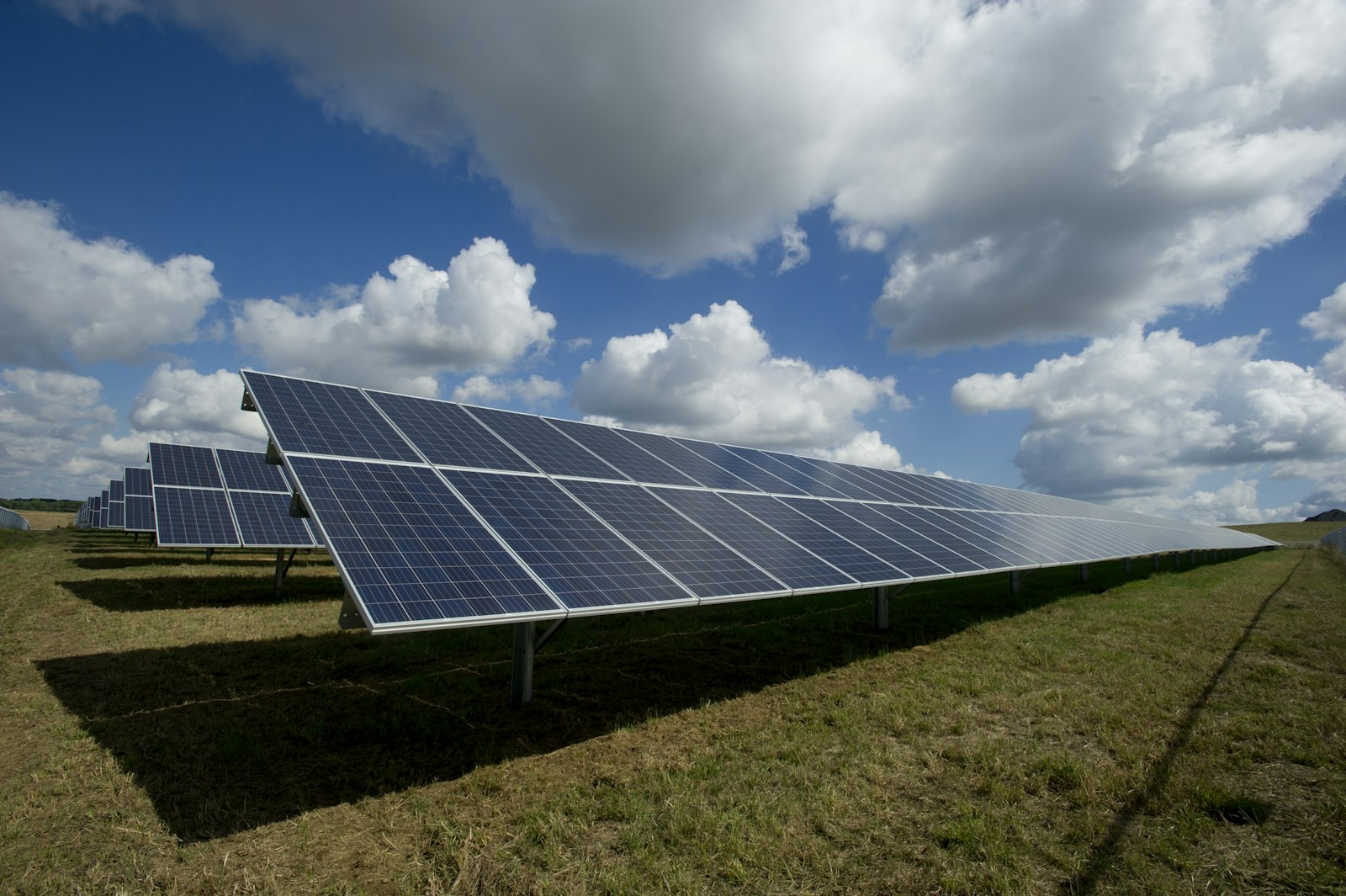
Wind-turbine towers, blades and foundations
Application & Asset Overview

Wind-turbine towers, blades and foundations

Condition assessment of structural components, welds, bolted connections, coatings and difficult-access areas throughout the asset lifecycle. Within wind, solar, hydrogen, storage and district-energy assets across fabrication, construction and operation, this asset can directly influence new-technology risk, material compatibility, structural reliability and lifecycle performance. A focused integrity programme should therefore connect the design basis, materials, service history, previous findings and current operating condition, so that inspection effort is directed to credible damage locations and produces information that supports practical maintenance decisions.

Integrity Focus

Principal considerations and IAIS UAE support

Principal integrity considerations

  • Floor or shell corrosion, pitting, product-side attack and external environmental degradation.
  • Weld cracking, distortion, roof or internal-component deterioration and leakage pathways.
  • Foundation movement, settlement, coating or lining breakdown and nozzle or appurtenance damage.

How IAIS UAE may support

  • Plan in-service or out-of-service coverage from design, stored medium, history and governing inspection requirements.
  • Apply visual examination, thickness mapping, floor or weld screening, dimensional surveys and targeted NDT as appropriate.
  • Correlate findings with previous data and support repair definition, interval review and return-to-service documentation.
Outputs & Requirements

Typical outputs and applicable standards

Typical outputs

Asset condition report, corrosion maps, thickness and settlement data, defect register, repair priorities and inspection recommendations.

Codes & standards

The activity may be planned and reported against the applicable provisions of applicable IEC and DNV standards, ASME B31.12, ASME BPVC, ISO, AWS, EN, ASTM and project requirements. Final references and acceptance criteria remain subject to approved project and statutory requirements.

Need support for Wind-turbine towers, blades and foundations?

Share your project location, operating context, asset information and required scope with IAIS UAE.